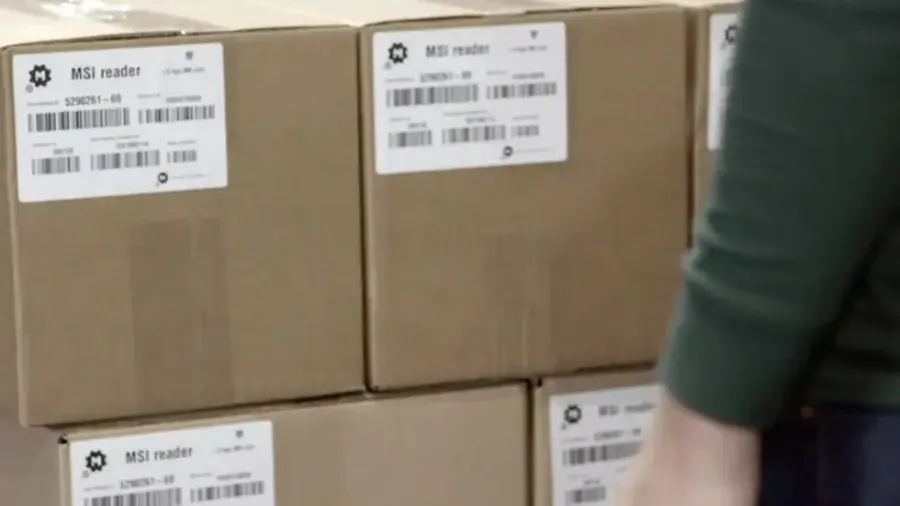
An RFID project usually starts with the reader. It should start with the tag. The tag is the part you buy again and again, it goes on every item, and it decides whether the reader sees anything at all. A tag that reads 20 meters on a cardboard box can go almost silent on a steel rack or a bottle of water.
This guide walks through the main tag types, what to check on a tag spec sheet and how to test before you order thousands. All tags mentioned are passive UHF (RAIN RFID) tags from Zebra's RFID labels and tags catalog, which includes Zebra's own inlays and tags from Avery Dennison, Confidex, Tageos, BoingTech, Smartrac and Stora Enso. You can compare all of them in the Raptool hardware catalog.
Start with the surface
RFID tags are tuned for what they sit on. Metal reflects the radio signal and liquids absorb it, so a standard label inlay placed directly on metal or a filled bottle can lose most of its range. That is why makers sell different tag constructions:
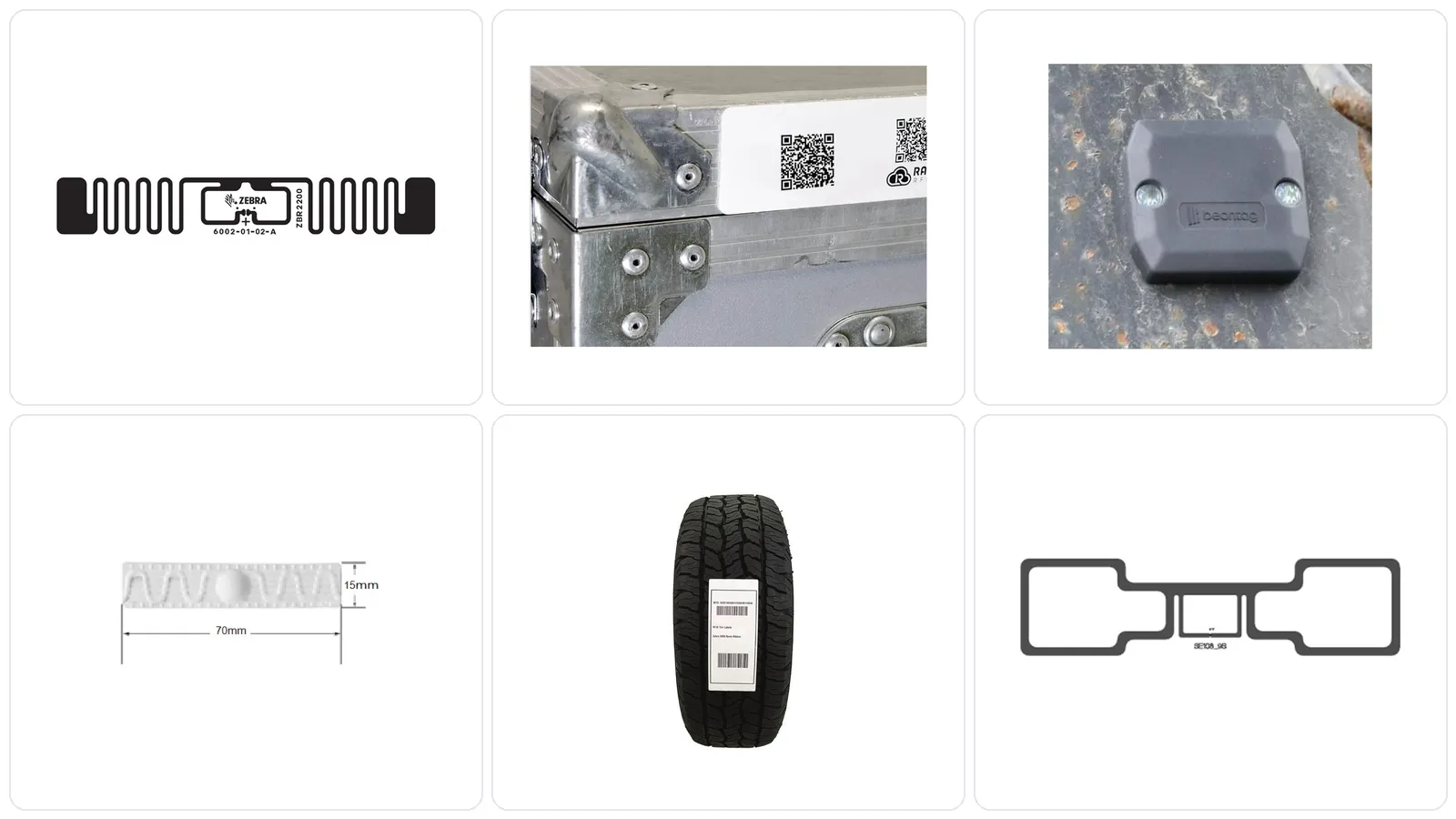
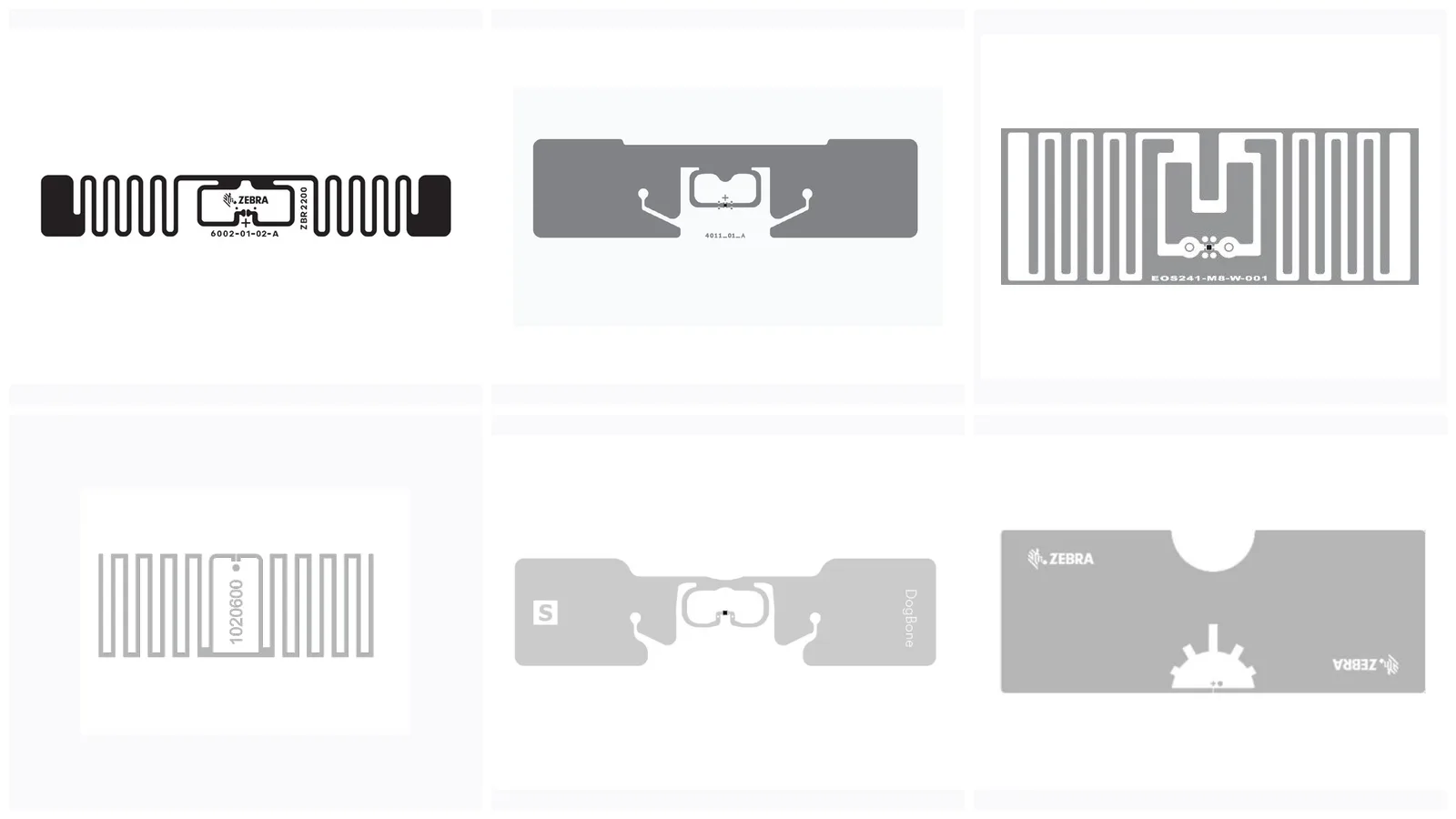
- Inlays and labels for cartons, cases, pallets and items. An inlay is the antenna and chip on a thin film; it is converted into a printable label.
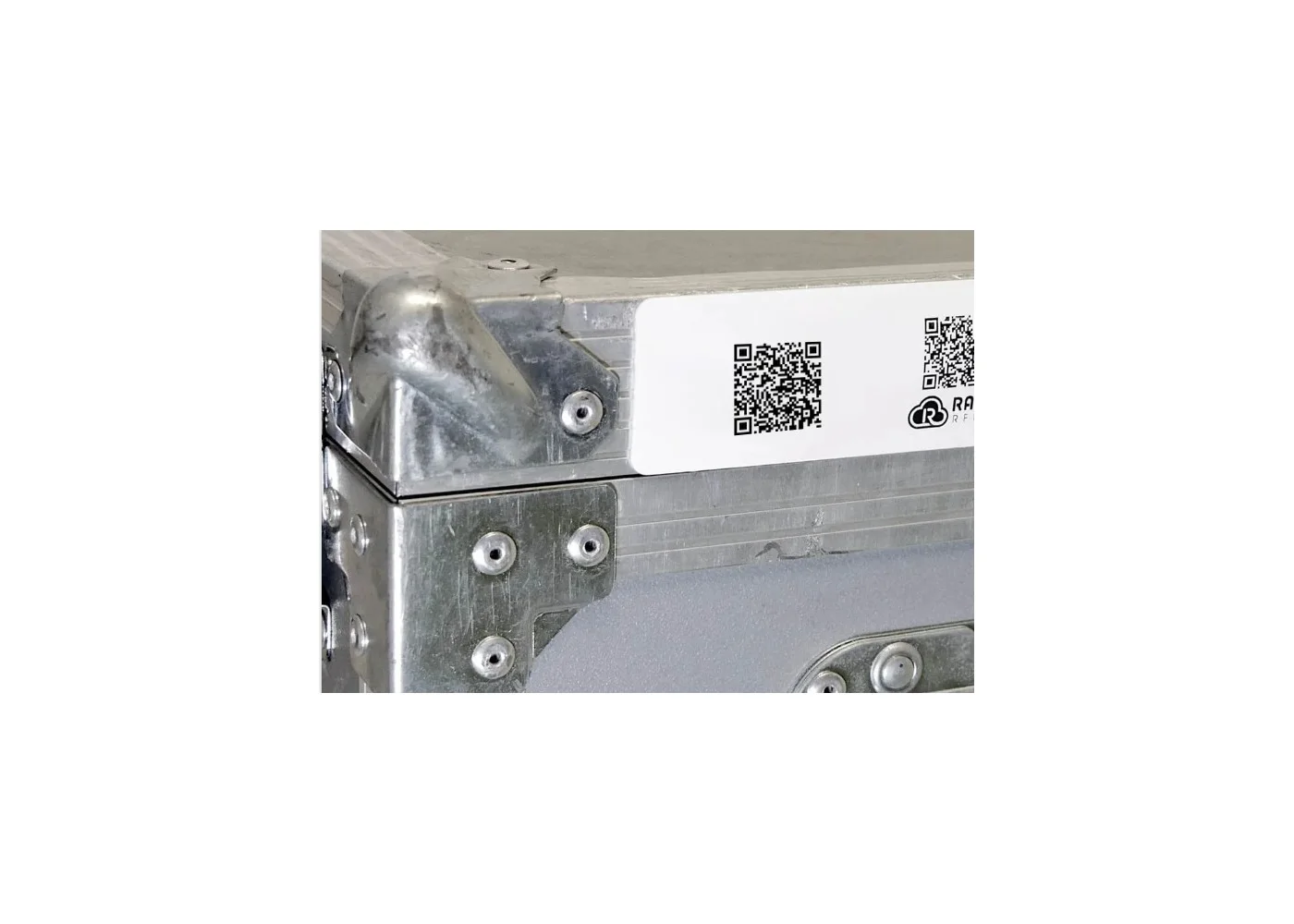
- On-metal labels for racks, tools, IT equipment and metal containers. They are still printable labels, but built with a spacer so they read on metal.
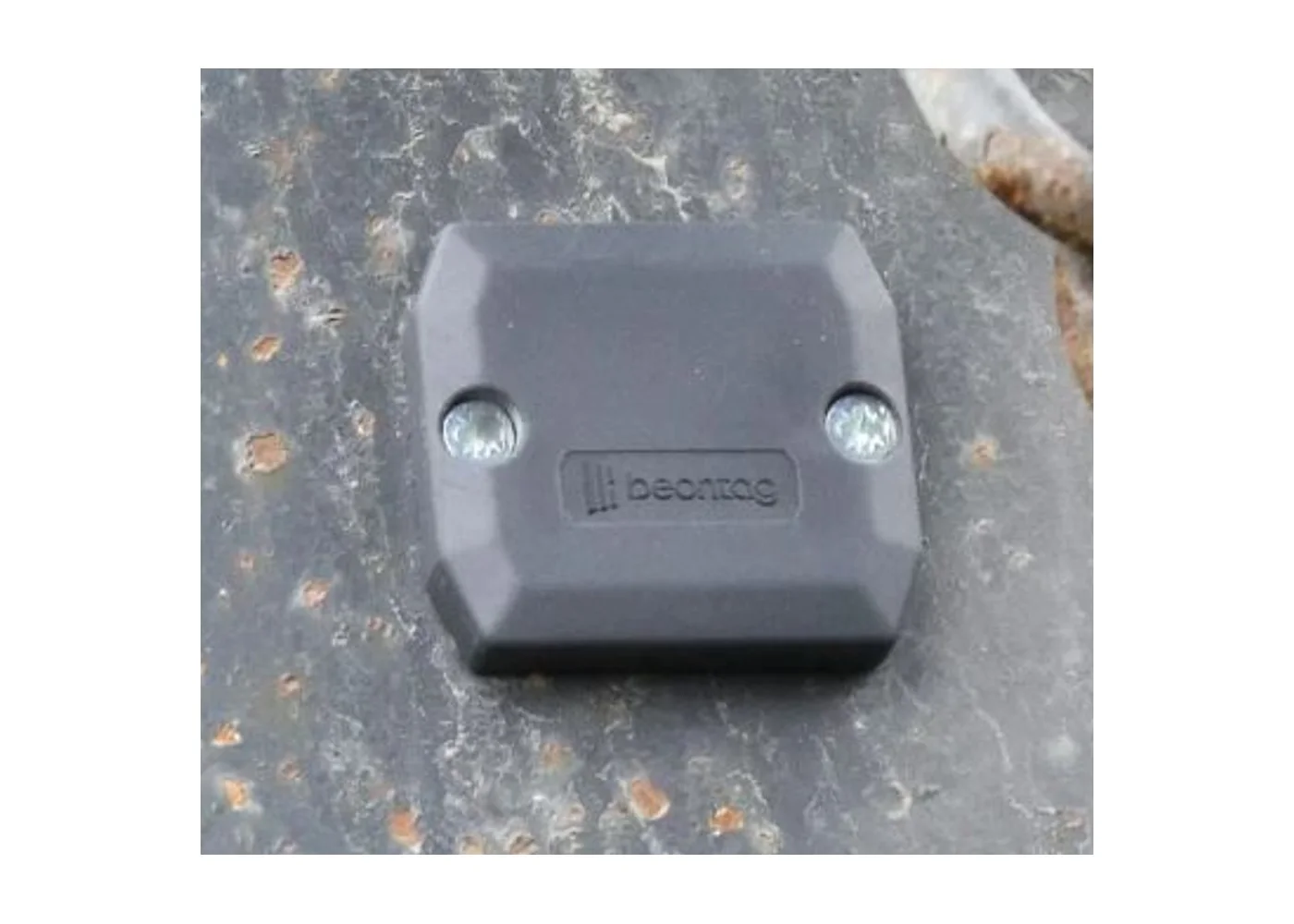
- Hard tags for assets that live outdoors, get washed or take knocks. They are fixed with adhesive, screws, rivets or a welding bracket.
- Special tags such as washable laundry tags, tire labels and paper-based eco inlays.
Inlays and labels: cartons, cases and items
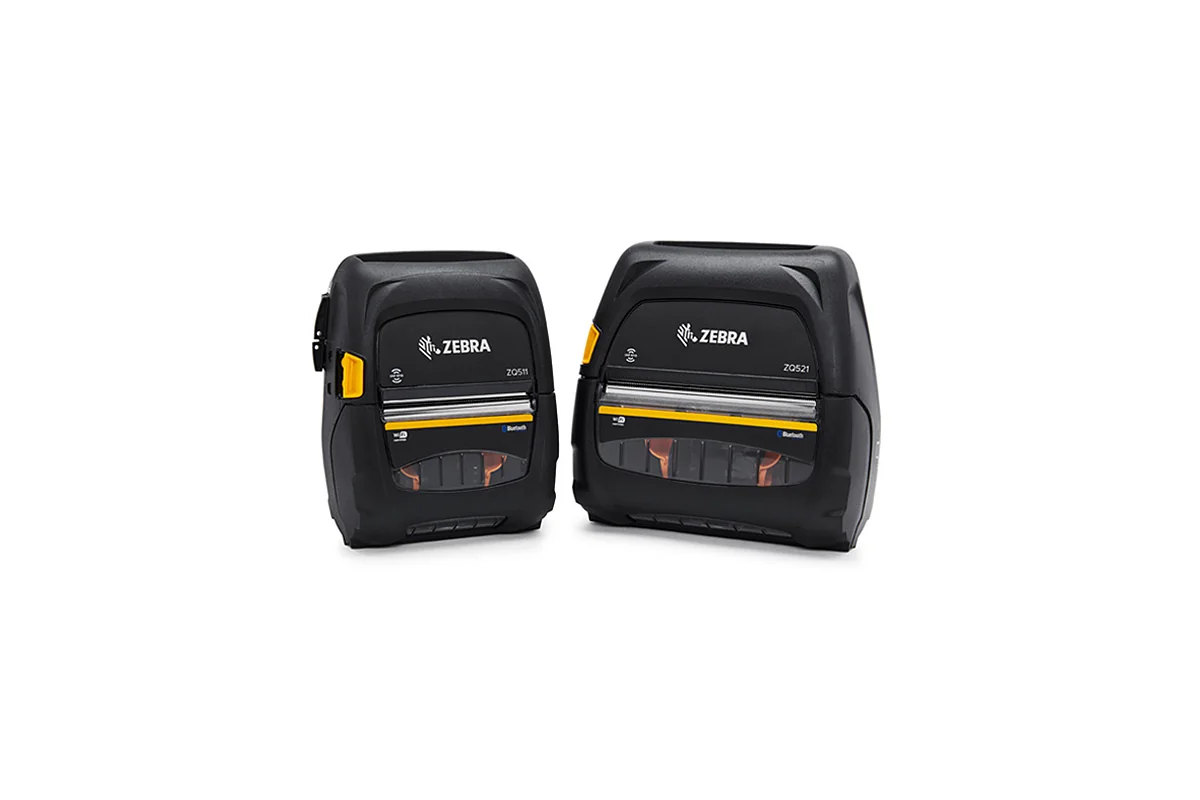
Most RFID volume is paper or film labels with an inlay inside, printed and encoded on an RFID label printer. The differences between inlays are the chip, the antenna shape and how well they cope with the material behind them.
Two examples from the spec sheets: the Zebra ZBR2200 uses an Impinj M830 chip and is listed with read ranges up to 19 m, depending on frequency and substrate. The RTI label with an Avery Dennison AD Dogbone M830 inlay is made for returnable plastic containers and lists up to 22 m. Small inlays such as the Tageos EOS-200 trade range for size: its table tops out at 3.6 m.
Look at the read range table, not only the headline number. Most sheets list ranges per material (cardboard, glass, plastic, rubber) for both the European (ETSI, 865–868 MHz) and the US (FCC, 902–928 MHz) bands, and the values often differ between the two.
On-metal labels: printable, but made for steel
On-metal labels let you keep printing and encoding on a label printer, even for metal assets. The Confidex Silverline Classic II is a 100 x 40 mm label with an Impinj M730 chip. Its sheet lists up to 15 m on metal, 9 m on plastic and 10 m on liquid, an IP68 rating and an operating range of -35°C to +85°C. The smaller Silverline Micro II is 45 x 13 mm and reads up to 3.5 m on metal, which fits tools and small parts better.
The trade-off is clear: smaller tags fit more places but read shorter. Pick the largest tag that physically fits the item.
Hard tags: when a label won't last
A hard tag is a sealed plastic housing around the antenna. The Confidex Ironside Classic measures 51.5 x 47.5 x 10 mm, lists up to 20 m on metal and 8 m on plastic, is rated IP68 and can be fixed with adhesive, M4 screws, 4 mm pop rivets or a welding bracket. Its sheet also lists resistance to motor oil, salt water and several acids and bases.
Hard tags cost more per piece, so they suit assets you keep for years: containers, cages, machines, tools and returnable transport items. The Steelwave Classic personalization kit is a middle way: you print and encode a label on a Zebra RFID printer and apply it to a plastic mounting plate.
Special tags: laundry, tires and paper
Laundry. The Zebra washable RFID laundry tag is listed for water washing at 100°C for 200 minutes, drying at 180°C and ironing at 210°C. It can be ironed on, sewn in or enclosed in a seam, and reads over 6 m with a fixed reader and over 2 m with a handheld.
Tires. Tire tread is a textured rubber surface with oils, which most adhesives dislike. Zebra's RFID tire tread label uses a high-tack rubber adhesive and a ZBR8000 or Avery Dennison AD-600 inlay, with read performance up to 20 m validated on several tire models.
Paper. The Stora Enso ECO Bumper uses paper instead of a PET film, so it is recyclable with other fiber-based material. Its sheet lists up to 17 m in free space.
Compare tag types at a glance
| Tag type | Typical use | Example from the catalog | Listed read range |
|---|---|---|---|
| Inlay / label | Cartons, cases, pallets, items | Zebra ZBR2200 | Up to 19 m |
| On-metal label | Racks, tools, IT assets | Confidex Silverline Classic II | Up to 15 m on metal |
| Hard tag | Containers, machines, outdoor assets | Confidex Ironside Classic | Up to 20 m on metal |
| Laundry tag | Uniforms, linen, textiles | Zebra washable laundry tag | Over 6 m (fixed reader) |
| Tire label | Tire production and stock | Zebra tire tread label | Up to 20 m |
| Paper inlay | Greener case and item labels | Stora Enso ECO Bumper | Up to 17 m |
Read ranges are the makers' theoretical values. Real range depends on the reader, the antenna, the item and the surroundings.
What to check on a tag spec sheet
- Chip and memory. For example Impinj M830 or NXP UCODE 9, with EPC and user memory size. More user memory matters only if you store data on the tag.
- Frequency band. Make sure the tag performs in your region: ETSI in Europe, FCC in North America.
- Read range per material. Use the row that matches your item.
- Size and attachment. Will it fit the item and stay on it?
- Temperature, water and chemicals. Check operating and peak temperatures and any washing or chemical tests.
- Printer and encoding. For labels, confirm the label construction works in your RFID printer.
Test before you order
Pick two or three candidate tags and put them on your real items, in your real shelves, with the reader you plan to use. Read them from the distances your staff will actually use, then check them again after a week of normal handling. Tag makers and hardware partners can usually supply samples.
Read them with the right reader
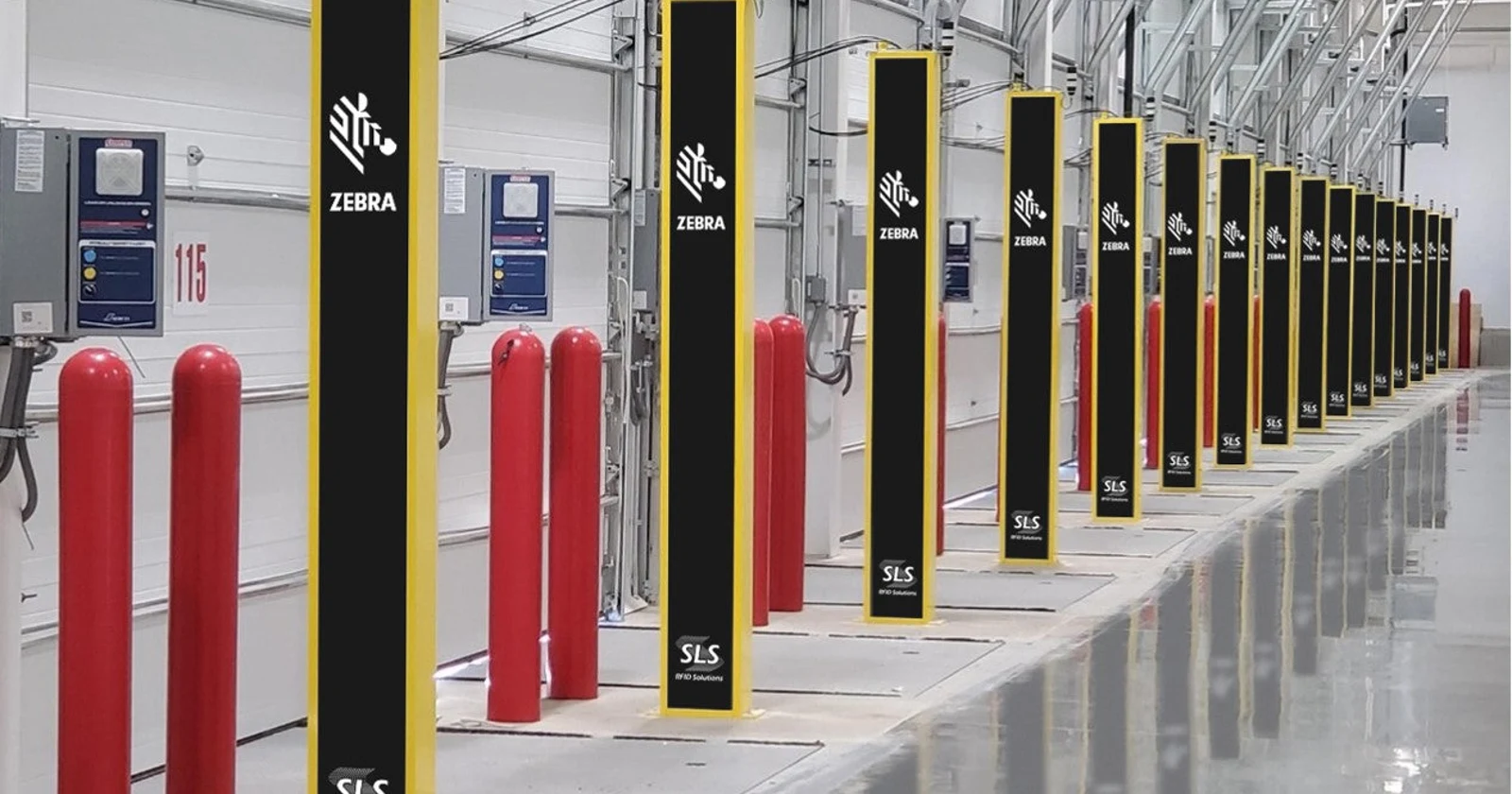
The tag is half the system. Handheld readers and RFID handhelds suit stock counts and searching; fixed readers and antennas suit doors, docks and conveyors; portals and reading cages read a whole pallet, cart or box at once. See the mobile RFID devices, fixed readers and antennas and portals in the catalog.
How Raptool fits
Raptool is a software company. Raptool apps run in the Raptool Client on Android, iOS, Windows and Mac, and the Client has access to RFID readers, scanners, cameras and printers, online and offline. Raptool WMS uses RFID for receiving, put-away, picking, packing, shipping and stock counts, and the RFID solutions page shows store counts and equipment tracking.
Raptool does not sell tags or readers. Our hardware partners sell complete solutions, and the hardware catalog helps you find and compare the parts.
FAQ
What is the difference between an RFID inlay and an RFID label?
An inlay is the antenna and chip on a thin film. A label is an inlay built into a printable label with face stock and adhesive, ready for an RFID printer.
Can I put a normal RFID label on metal?
Usually not with good results. Metal detunes standard inlays, so use an on-metal label or a hard tag made for metal surfaces.
How far can an RFID tag be read?
The spec sheets list theoretical ranges, for example up to 19 m for the Zebra ZBR2200. Real range depends on the reader, antenna, item and surroundings, so test on your own goods.
Do RFID tags need a battery?
No. The tags in this guide are passive UHF tags. They take their power from the reader’s radio signal.
Does Raptool sell RFID tags?
No. Raptool makes the software. Tags and readers are sold by our hardware partners; you can compare them in the Raptool hardware catalog.
Tags
Planning RFID for your stock or assets? Book a demo and we will show you tags, readers and apps for your use case.
Book a demo