JD Sports has moved its 414 stores in the UK and Ireland to RFID stock counts. Zebra Technologies announced the rollout in early November 2026. It says the 414 stores went live in roughly three months.
That is a big retailer with a big budget. Still, the way the project was run holds lessons for a chain with 5 or 50 stores. The hardware was standard. The hard part was getting the same routine into every store, fast.
Here is what was reported, what the numbers mean, and what a smaller retailer can copy.
What JD Sports rolled out
JD Sports sells sportswear and sneakers in nearly 5,000 stores across 46 countries, according to Zebra's case study. The new project covers its UK and Ireland stores.
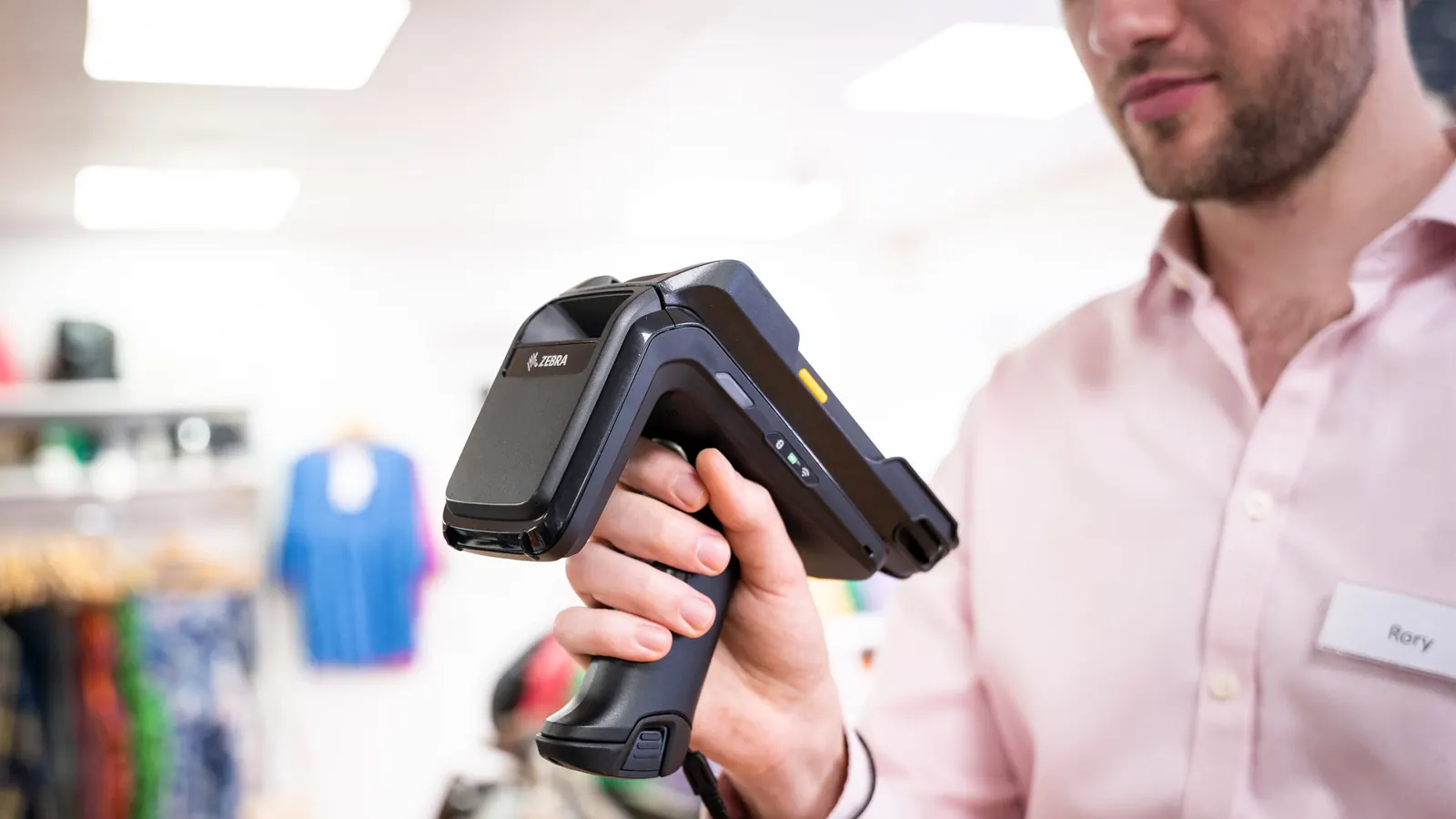
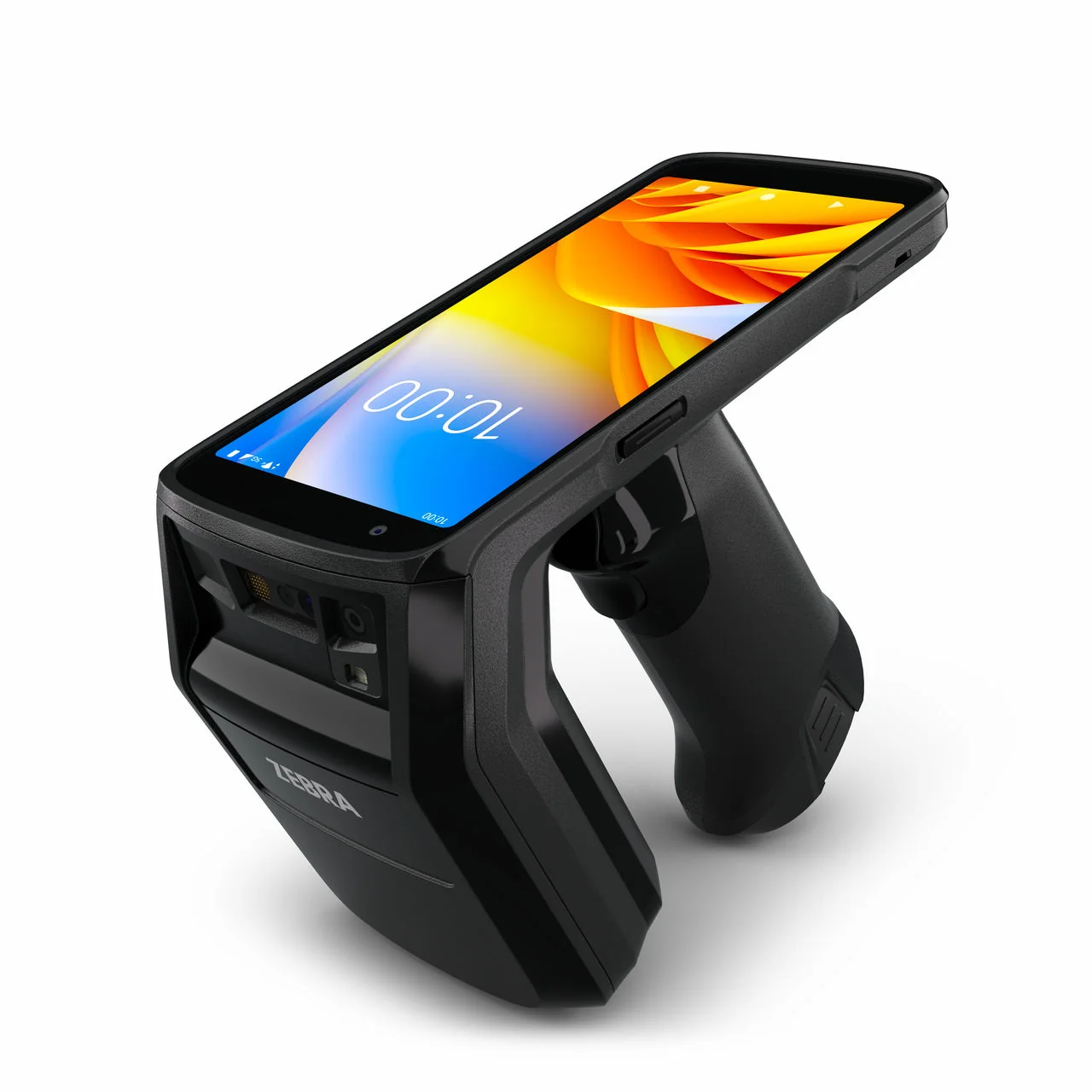
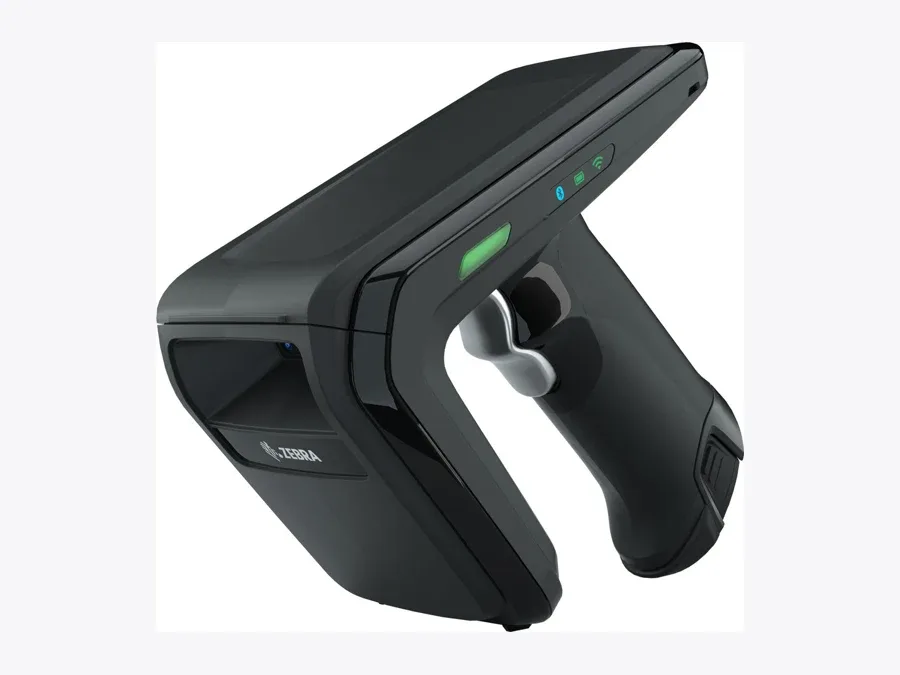
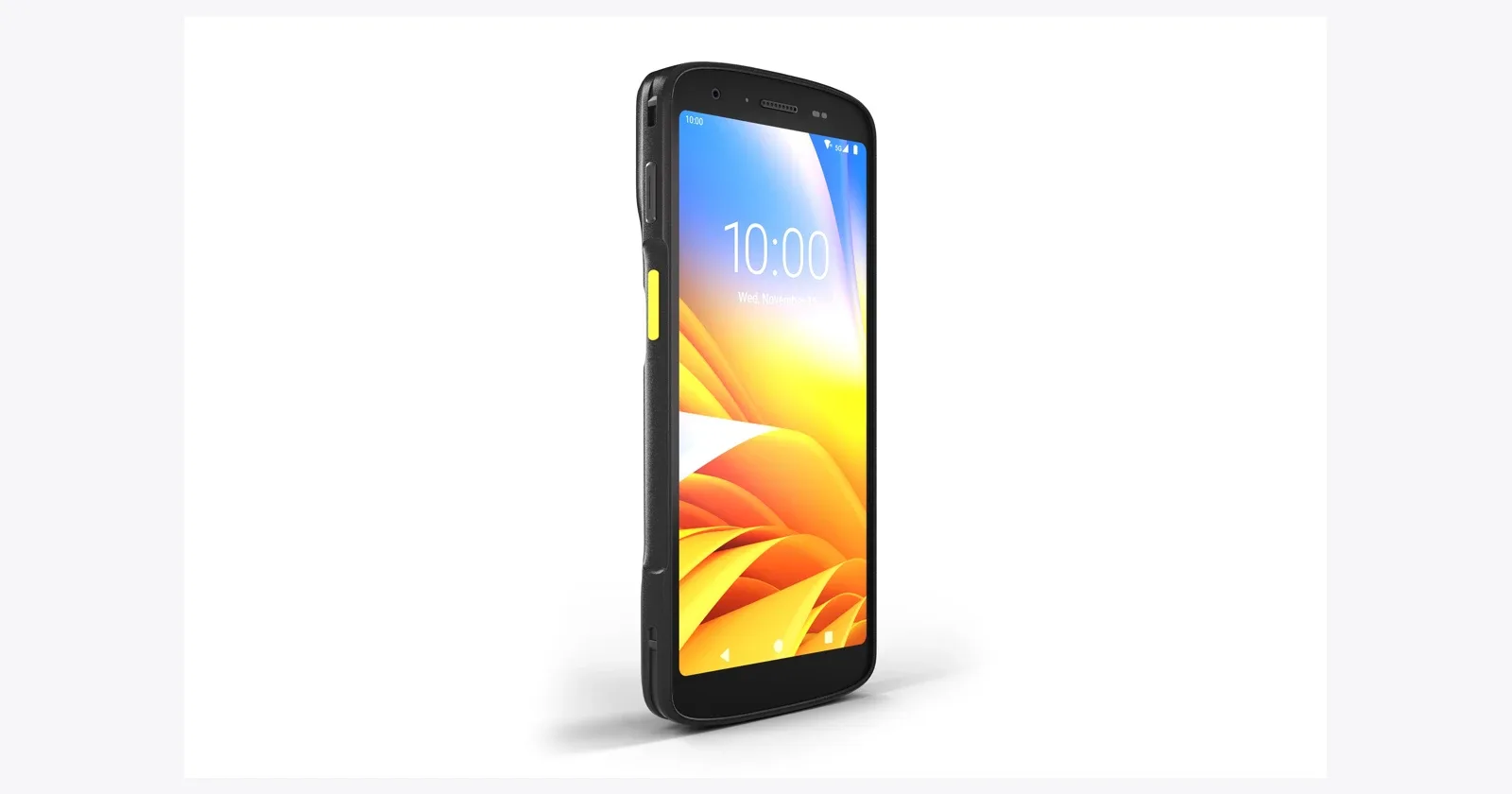
Store staff use Zebra TC2 Series mobile computers with an RFD40 UHF RFID sled clipped on. A sled is a handheld reader that the phone-sized computer snaps into. The staff member walks the shop floor and the stockroom, and the reader picks up every tagged item in range. The result is a live count of what the store holds and where it sits.
Checkpoint Systems supplies the ItemOptix software that turns the reads into stock data. Renovotec, a Zebra partner, sourced, configured and delivered the devices. Zebra OneCare covers support and repairs.
The rollout started with a pilot in five stores. The first store went live in 76 days. Teams then switched on about 26 stores a week until all 414 were done.
The reported results
All the figures below come from Zebra's press release, as reported by Retail Technology Innovation Hub on November 5. They are supplier-reported results, not an independent audit. Use them as a sign of what is possible, then measure your own.
| Measure | Reported result | What to check in your own store |
|---|---|---|
| Count frequency | From twice a week, or even daily, instead of waiting for a periodic audit | How often you count now, and how old your stock figure is on a busy Saturday |
| On-shelf availability | 98% | How often a size is in the stockroom but not on the shelf |
| Replenishment | 20% faster | How long it takes to refill the floor after a sale |
| Stock moved to the floor | 95% more inventory moved from the stockroom to the shop floor | Whether staff know which items to bring out, or guess |
| Rollout pace | About 26 stores a week after the first live store | Whether your setup is the same in every store |
Why the count got so short
A barcode count needs a line of sight. Someone picks up each item or box, finds the label and scans it. In a shoe store with thousands of boxes, that is a full day for a team.
RFID does not need a line of sight. A UHF reader picks up many tags a second as the staff member walks past a shelf. That is why one staff member can count a whole store in one walk. It also explains the count frequency. A short count can run twice a week or even daily. A count that ties up a team for a day runs a few times a year.
A fresh count changes daily work. Staff can see that the last pair in size 42 is in the stockroom, not on the wall. They can bring it out before a customer asks.
Speed came from a fixed package
Look at the two speeds. The first store took 76 days. After that, stores went live at about 26 a week. Getting one setup right takes time. Copying it is fast when every store gets the same devices, the same configuration and the same routine.
A smaller retailer can use the same idea. Agree on one device, one app setup and one counting route before the second store goes live. Every store that does things its own way adds training and support work.
Partners matter too. Renovotec configured the devices before they reached the stores, so store teams opened a box with a ready device. For a small chain, a reseller or partner who stages devices saves days of setup.
What a smaller retailer can copy
You do not need 414 stores to get value from RFID counts. Start with these steps.
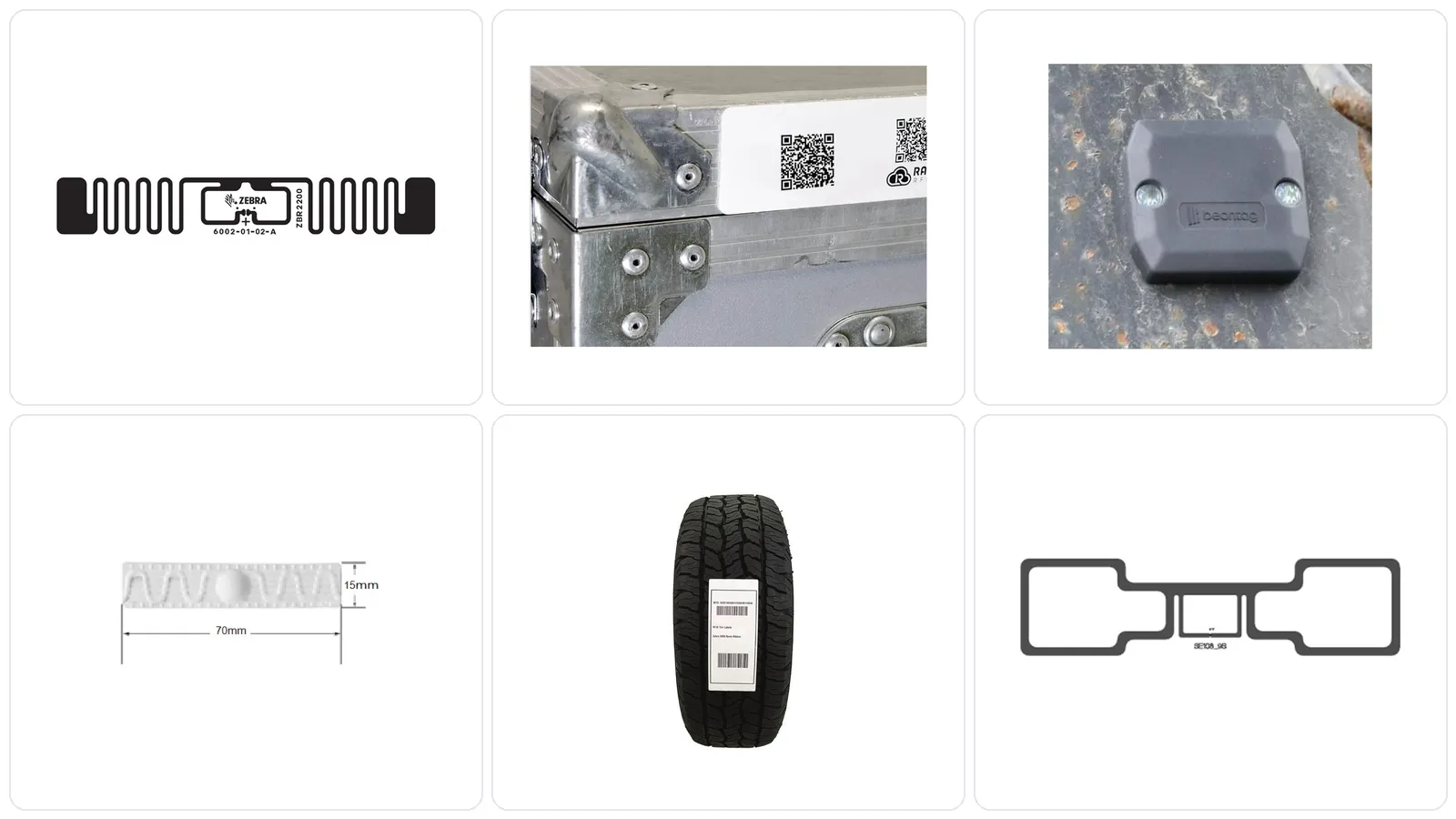
Pick the products first. RFID pays off fastest where items look alike and come in many sizes, such as shoes and clothes. Decide which ranges get tags and who puts them on. Tags applied by the supplier save work in the store. Our guide on how to pick the right RFID tag covers tag types.
Run a short pilot. JD Sports tested in five stores before it scaled. Two or three stores are enough for a small chain. Count with barcodes and with RFID in the same week and compare the results.
Decide what a count is for. A count alone does not refill a shelf. Set up a list that tells staff what to bring from the stockroom after each count, and check that someone acts on it.
Plan for exceptions. Some items will have damaged or missing tags. Staff need a quick way to scan the barcode instead and to report the problem.
Measure before you start. Write down today's count time, count frequency and how often a size is missing from the shelf. Without a baseline you cannot show what changed.
How Raptool fits
Raptool makes software, not hardware. Raptool RFID and Raptool Retail run stock counts, replenishment lists and goods receiving on the Raptool Client. The Client runs on Zebra, Honeywell, Datalogic and other Android mobile computers, with handheld RFID readers and sleds where you need them. You buy the devices from a Raptool partner. You can compare readers and sleds on our RFID device pages.
The apps connect to your POS or ERP, so a count updates the stock figure your team already uses. Barcode scanning stays available for items without tags. A pilot in one or two stores is a good place to start.
Questions about RFID stock counts in stores
How long does an RFID stock count take?
It depends on the store size and how many items carry tags. One staff member walks the floor and stockroom with the reader, so counts that took a team a full day can become short enough to run twice a week, as JD Sports now does.
Do I need RFID tags on every product?
No. Many retailers start with the ranges that are hardest to count, such as shoes and clothes in many sizes. Untagged items can still be counted with a barcode scanner.
Can a small retailer use the same setup as JD Sports?
Yes, the devices are standard products sold through partners. The main difference is scale. A small chain can pilot in two or three stores and grow from there.
Are the JD Sports results independent?
No. The figures come from Zebra, the hardware supplier, and were repeated by the trade press. Treat them as an example and measure your own baseline before and after a pilot.
Tags
Want to test RFID stock counts in one or two of your stores? Book a demo with Raptool RFID.
Book a demoSources: Zebra press release: JD Sports achieves 98% on-shelf availability · Zebra case study: JD Sports · Retail Technology Innovation Hub, November 5, 2026. Product photos: Zebra Technologies. Checked November 18, 2026.